Monthly Bill Payment Management Ideas For Better Cash Flow
Managing monthly expenses can often feel overwhelming, especially when multiple due dates and varying amounts come into play. A structured approach to bill payment not only keeps finances organized but also improves overall cash flow. By adopting clear strategies, individuals can avoid late fees, maintain financial discipline, and create room for savings or emergencies.
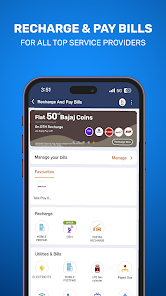
In today’s fast-moving financial environment, tools such as an insurance app and access to an instant loan can also support better financial planning when used wisely. However, the foundation of strong cash flow lies in consistent bill payment habits and thoughtful budgeting.
This article explores practical and effective ideas to manage monthly bill payments while maintaining better control over your income and expenses.
Understanding Your Monthly Financial Commitments
Categorize All Expenses
Start by listing all your monthly bills. Divide them into fixed and variable categories. Fixed expenses include rent, subscriptions, and loan payments, while variable expenses include electricity, groceries, and utilities.
This classification helps in predicting how much money will go out each month and allows better preparation for upcoming payments.
Identify Payment Cycles
Every bill has a different due date. Understanding these cycles helps in planning payments efficiently. Aligning due dates with your income schedule ensures that you always have enough balance to cover expenses.
Building a Structured Bill Payment Plan
Create a Monthly Payment Calendar
A calendar dedicated to bill payments can simplify your financial routine. Mark all due dates and set reminders a few days in advance. This reduces the risk of missing payments.
You can maintain this calendar digitally or in a notebook, depending on your preference. The key is consistency.
Prioritize Essential Payments
Not all bills carry the same importance. Essentials like housing, utilities, and insurance should be prioritized. Delaying such payments can lead to penalties or service interruptions.
Using an insurance app can help track premium due dates and ensure timely payments without confusion.
Allocate Funds in Advance
Once your income is received, immediately set aside amounts for upcoming bills. This approach ensures that money meant for essential payments is not accidentally spent elsewhere.
Improving Cash Flow Through Smart Practices
Adopt the Zero-Based Budgeting Method
In this method, every unit of income is assigned a purpose, including savings and expenses. By the end of the month, your income minus expenses equals zero, meaning all money is accounted for.
This technique helps in controlling unnecessary spending and ensures bills are always covered.
Use Automated Payments Carefully
Automation can be helpful in avoiding missed payments. However, it should be used with caution. Ensure there is sufficient balance in your account before enabling auto-debit for bills.
Automation works best for fixed expenses where the amount does not fluctuate.
Maintain a Buffer Amount
Keeping a small buffer in your account can prevent financial stress during unexpected situations. This buffer acts as a safety net for sudden increases in bills or emergencies.
In cases where immediate funds are required, an instant loan can provide short-term support, but it should be used responsibly and only when necessary.
Reducing Financial Pressure from Bills
Review and Eliminate Unnecessary Expenses
Regularly reviewing your bills can reveal subscriptions or services that are no longer needed. Eliminating these can free up cash for more important expenses.
Small reductions across multiple bills can significantly improve your overall cash flow.
Negotiate or Adjust Payment Plans
Some service providers offer flexible payment options. If you are facing financial strain, consider negotiating payment terms or requesting revised billing cycles.
This approach can make large payments more manageable.
Track Spending Patterns
Keeping track of your monthly spending helps identify areas where costs can be reduced. Use simple tracking methods such as spreadsheets or mobile tools to monitor expenses.
Leveraging Digital Tools for Bill Management
Use Financial Tracking Applications
Digital tools simplify bill management by providing reminders, tracking expenses, and summarizing spending patterns. They reduce manual effort and improve accuracy.
An insurance app, for example, not only helps manage policy payments but also provides insights into coverage and renewal timelines.
Enable Notifications and Alerts
Setting up alerts for due dates ensures that you never miss a payment. Notifications act as timely reminders, especially when managing multiple bills.
Secure Payment Methods
Always use secure payment channels to avoid financial risks. Keeping transaction records also helps in tracking and resolving discrepancies.
Preparing for Unexpected Expenses
Build an Emergency Fund
An emergency fund is essential for handling sudden financial needs. It prevents disruption in regular bill payments during unforeseen situations.
Aim to save at least a few months’ worth of expenses as a financial cushion.
Use Credit Responsibly
Credit options can help during temporary cash shortages, but they should be used carefully. Borrow only what is necessary and ensure timely repayment to avoid additional financial burden.
An instant loan can be useful in urgent situations, but relying on it frequently can affect long-term financial stability.
Developing Consistent Financial Habits
Set Monthly Financial Goals
Having clear goals helps maintain focus and discipline. Whether it is reducing expenses or increasing savings, goals provide direction to your financial planning.
Review Your Plan Regularly
Financial situations can change over time. Regular reviews ensure that your bill payment strategy remains effective and relevant.
Adjust your plan based on income changes, new expenses, or financial priorities.
Stay Disciplined with Payments
Consistency is the key to effective bill management. Paying bills on time not only avoids penalties but also builds a strong financial routine.
Conclusion
Effective monthly bill payment management is essential for maintaining a stable and stress-free financial life. By organizing expenses, prioritizing payments, and using structured planning methods, individuals can significantly improve their cash flow.
Incorporating tools like an insurance app can simplify tracking and ensure timely payments, while options such as an instant loan can provide temporary support during financial gaps when used responsibly. However, the true strength lies in building disciplined habits and maintaining a clear overview of your finances.
With consistent effort and thoughtful planning, managing monthly bills becomes a straightforward process, allowing better control over money and creating opportunities for future financial growth.